
Cultural insights into the role of gambling in community identity
The Historical Context of Gambling in Communities
The role of gambling in community identity can be traced back to ancient civilizations, where games of chance were often intertwined with cultural practices. Early forms of gambling were often ritualistic, providing a means for social interaction and a way to mark significant events. In many cultures, gambling was not just about winning or losing money; it served as a medium to strengthen community ties and maintain tradition. For instance, in Native American societies, games of chance were used to facilitate social gatherings and foster relationships among tribe members. Today, platforms like 1Win India highlight how such traditions continue to evolve in modern contexts.
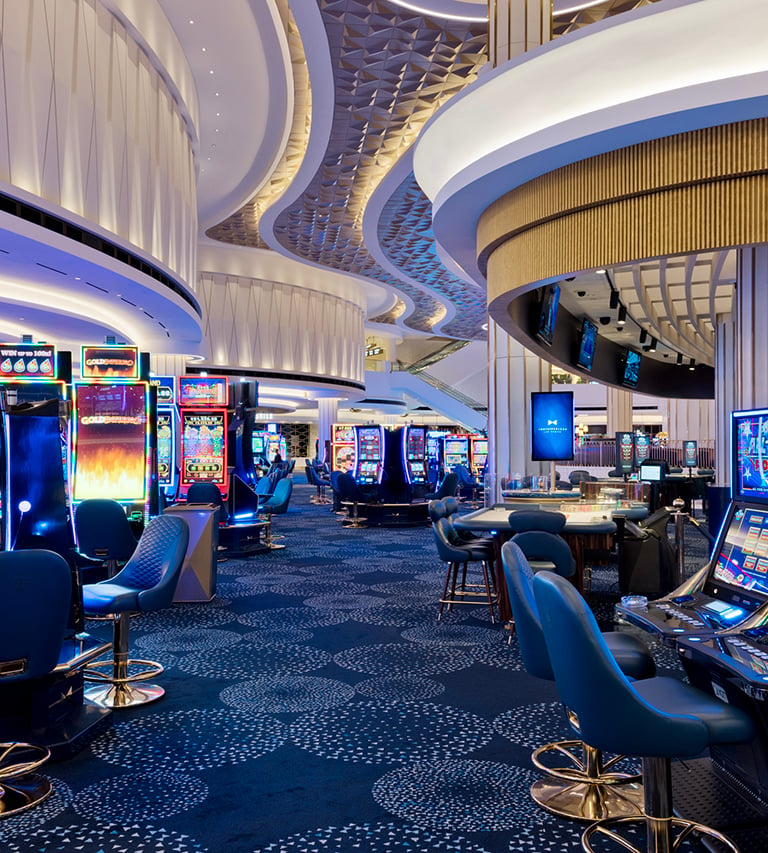
As societies evolved, so did the perception of gambling. The advent of modern casinos and online platforms shifted the landscape significantly, creating a dichotomy between traditional forms of gambling and contemporary practices. Yet, despite these changes, the core principle remains: gambling acts as a social glue, helping individuals connect with their cultural roots. Communities often organize festivals centered around traditional games, further embedding gambling within their identities.
Gambling’s historical significance is evident in its ability to adapt over time while still maintaining its central role in community life. Whether through local betting events or massive casino establishments, gambling continues to serve as a reflection of a community’s values and social structure. The persistence of gambling within these cultures illustrates its importance not only as a pastime but also as a pillar of communal identity.
The Social Dynamics of Gambling
Gambling often brings people together, creating unique social dynamics that can reinforce community identity. In many communities, especially those that are tightly knit, gambling events serve as communal gatherings, where individuals come together for entertainment, competition, and camaraderie. These social interactions often foster a sense of belonging among participants, as they share experiences and create memories together. For instance, local poker nights or bingo events can act as informal social hubs where relationships are forged and strengthened.
Moreover, gambling can also serve as a reflection of societal values and norms. In cultures where gambling is widely accepted, it can showcase community resilience and adaptability. Conversely, in societies where gambling is viewed negatively, it may lead to tension and division. This duality highlights how gambling can both unite and divide communities, depending on the cultural context. Such dynamics are crucial in understanding how gambling activities shape community identity.
The role of gambling in social settings extends beyond mere entertainment. It also creates a platform for community engagement, allowing individuals to collectively address social issues, fundraise for local initiatives, and enhance community welfare. Events centered around gambling often include charitable components, reinforcing the notion that gambling can serve a greater purpose within the community.
Gambling as a Cultural Marker
Gambling acts as a cultural marker, distinguishing communities based on their unique approaches to gaming practices. For example, in regions where gambling is culturally embraced, local traditions often incorporate betting practices, such as horse racing or traditional games. These activities not only define a community’s recreational preferences but also reflect its historical and social narratives. Such markers play a critical role in community identity, as they are tied to local pride and heritage.
In contrast, in areas where gambling faces stigma or legal restrictions, community identity may evolve in opposition to those practices. The resistance to gambling can shape social norms and influence community dynamics, leading to alternative forms of identity construction. Understanding these cultural markers enables one to appreciate the complexity of gambling’s role in various communities, showcasing how deeply ingrained these practices can be within societal frameworks.
Additionally, gambling can serve as a means of cultural expression, showcasing community artistry and creativity. Many gambling events feature local music, food, and art, enriching the experience and promoting local culture. This integration of cultural elements fosters community pride, as residents come together to celebrate their shared identity through gambling activities. Such events not only entertain but also educate participants about their heritage, reinforcing the community’s unique characteristics.
The Economic Impact of Gambling on Communities
The economic implications of gambling extend far beyond individual winnings; they significantly impact community development and identity. In areas where casinos or betting establishments thrive, local economies often benefit from job creation, tourism, and increased revenue. These economic advantages can lead to improved infrastructure, public services, and community programs, enhancing the overall quality of life for residents. This economic infusion further solidifies the connection between gambling and community identity.
Moreover, gambling establishments frequently engage in philanthropy, contributing to local charities and initiatives. By donating a portion of their profits to community projects, these establishments foster goodwill and strengthen their ties to the community. This creates a reciprocal relationship where the community supports gambling as a source of revenue while benefiting from the contributions made back to them. As a result, the economic contributions of gambling entities can be seen as an integral part of the community’s identity.
However, it is essential to address the potential negative consequences of gambling as well. Issues such as gambling addiction can strain community resources, leading to increased healthcare needs and social services. Balancing the economic benefits with responsible gambling initiatives is crucial for maintaining a healthy community identity. Ultimately, the economic impact of gambling can shape community identity, reinforcing its importance within local culture while highlighting the need for responsible practices.
Connecting Gambling to Modern Communities
In today’s digital age, gambling has evolved with technology, impacting how communities engage with gaming. Online gambling platforms have expanded access, allowing individuals to participate in gaming activities from anywhere, including their homes. This shift has transformed gambling into a more solitary activity for some but has also fostered online communities that share interests in various gaming forms. These virtual communities create a new layer of identity among individuals who may not physically gather but still find connection through shared gaming experiences.
Despite these changes, the essence of gambling as a communal activity remains evident. Many online platforms incorporate social features, such as live dealer games and chat options, which help recreate the social environment of traditional gambling establishments. These innovations emphasize that even in a digital context, gambling continues to be a means of social interaction and community building.
As communities navigate the complexities of modern gambling, it is crucial to find a balance that honors traditional practices while embracing new technologies. The evolution of gambling reflects the adaptability of communities, showcasing how they can maintain their identities in a rapidly changing world. By integrating new forms of gambling while preserving cultural traditions, communities can continue to thrive and evolve their unique identities.

Exploring 1Win as a Community Hub
1Win is an online gambling platform that reflects the changing landscape of gambling while offering a vibrant community experience. With over 10,500 games and a variety of betting markets, 1Win caters to both casual players and serious gamblers. The platform provides a safe and dynamic environment where individuals can engage with various gaming options while connecting with a global community of like-minded enthusiasts.
Beyond just gaming, 1Win offers enticing bonuses and promotions, enhancing the experience for users. The community aspect is further emphasized through its user-friendly interface, allowing individuals to easily navigate the platform, interact with other players, and participate in exciting gaming events. This environment fosters a sense of belonging, as players engage with others in a shared passion for gambling.
As online gambling continues to grow, platforms like 1Win illustrate how modern technology can create community connections that transcend geographical boundaries. By promoting both entertainment and social interaction, 1Win serves as a testament to the evolving role of gambling in shaping community identity in the digital age.